Προέλευση
Lantern Festival, also known as Spring Festival, has different origin stories. However, its roots trace back more than 2000 years and are popularly linked to the reign of Emperor Ming at a time when Buddhism was on the rise in China. Emperor Ming, who himself was a devout Buddhist, heard that Buddhist monks would light lanterns on the 15th day of the first lunar month. & nbsp;He therefore ordered every temple, household, and imperial palaces to light lanterns on the same day.
& nbsp; & nbsp; & nbsp; & nbsp; & nbsp; & nbsp; & nbsp; & nbsp; & nbsp; & nbsp;
Another popular origin links the tradition to Taiyi the God of Heaven in ancient times. It was believed that Taiyi controlled the destiny of all humans and so it was on the 15ου & nbsp;day of the first lunar month that emperors would ask for a favorable year from the Taiyi. Both events combined and eventually developed into the Lantern Festival we know today.
ΗΘΗ και εθιμα
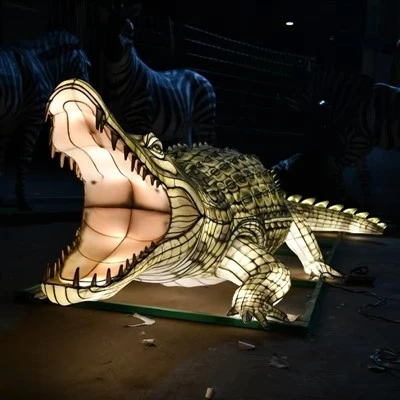
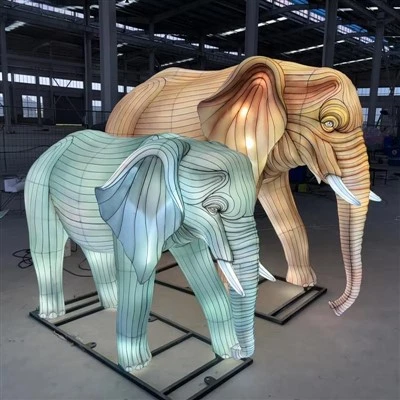
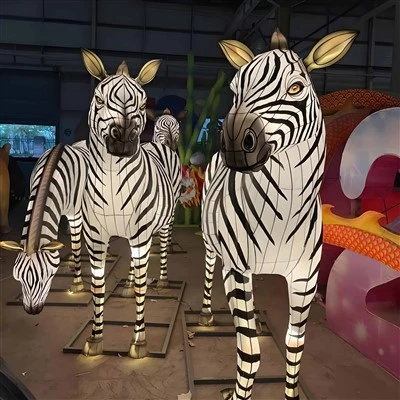
Το φωτισμό των φαναριών είναι η κύρια δραστηριότητα που οι περισσότεροι Δυτικοί συνδέουν με το Φεστιβάλ Φανάρι, αλλά άλλες δραστηριότητες όπως μαντέψτε γρίφους που συνδέονται με φανάρια, χορούς λιονταριών και φαγητό Τανγκουάν είναι επίσης διαδεδομένοι κατά τη διάρκεια αυτής της περιόδου.

Το Tangyuan είναι ζυμαρικά σε σχήμα σφαίρας - που είναι φτιαγμένα από κολλώδες αλεύρι ρυζιού και γεμίζονται με διάφορα γεμίσματα - ζάχαρη, σουσάμι, φιστίκια, καρύδια, ροδοπέταλα, πάστα φασολιών ή συνδυασμό συστατικών.